

Introduction
Choosing the right adhesives and sealants starts with understanding the material, surface condition, strength requirement, exposure environment, curing method, and long-term performance needs. A product that works well for one surface may fail on another if it is not matched to the application.
The Adhesives & Sealants category supports industrial bonding, joint sealing, assembly, repair, waterproofing, high-temperature use, and laboratory applications where durability and reliability matter.
Why Is the Right Choice Important?
Adhesives and sealants are not one-size-fits-all products. Some are designed for fast bonding, while others are made for flexible sealing, structural strength, heat resistance, waterproofing, or chemical exposure.
Choosing the wrong product can lead to:
- Weak bonding
- Peeling or cracking
- Poor sealing
- Water or air leakage
- Surface damage
- Slow curing
- Early joint failure
- Reduced product life
The right product improves strength, protection, flexibility, and overall performance.
What Is the Main Job: Bonding or Sealing?
The first step is to decide whether the application needs bonding, sealing, or both.
Adhesives are mainly used to join two surfaces together. They are selected when strength, load sharing, and surface attachment are the main goals.
Sealants are mainly used to fill gaps, close joints, and protect against air, water, dust, chemicals, or movement.
If the project requires direct surface joining, the Adhesives category is especially relevant for bonding, sealing compounds, equipment maintenance, laboratory use, and material assembly.
For moving joints, gaps, or outdoor exposure, a sealant or flexible adhesive-sealant may be more suitable.
Which Materials Are Being Joined?
Material compatibility is one of the biggest selection factors. Different adhesives perform differently on metal, plastic, glass, rubber, wood, ceramic, concrete, and composite surfaces.
Before choosing a product, check:
- Surface material
- Surface texture
- Porosity
- Thermal expansion
- Moisture sensitivity
- Chemical compatibility
- Surface energy
- Required flexibility
For example, a rigid adhesive may work well on stable metal parts but may crack if used on flexible plastic or rubber. A flexible sealant may perform better where the joint moves or expands.
What Strength Level Is Required?
Not every application needs structural strength. Some jobs need light bonding, while others require high load resistance.
Consider whether the bond must handle:
- Pulling force
- Shear force
- Peeling force
- Vibration
- Impact
- Compression
- Repeated movement
- Heavy load
Structural bonding usually needs stronger adhesive chemistry and proper curing. General assembly or temporary repair may require a simpler bonding solution.
What Environment Will the Bond Face?
The working environment can strongly affect adhesive and sealant performance.
Check whether the bond will face:
- Heat
- Cold
- Moisture
- UV exposure
- Oils
- Solvents
- Cleaning agents
- Outdoor weather
- Dust
- Vibration
- Chemicals
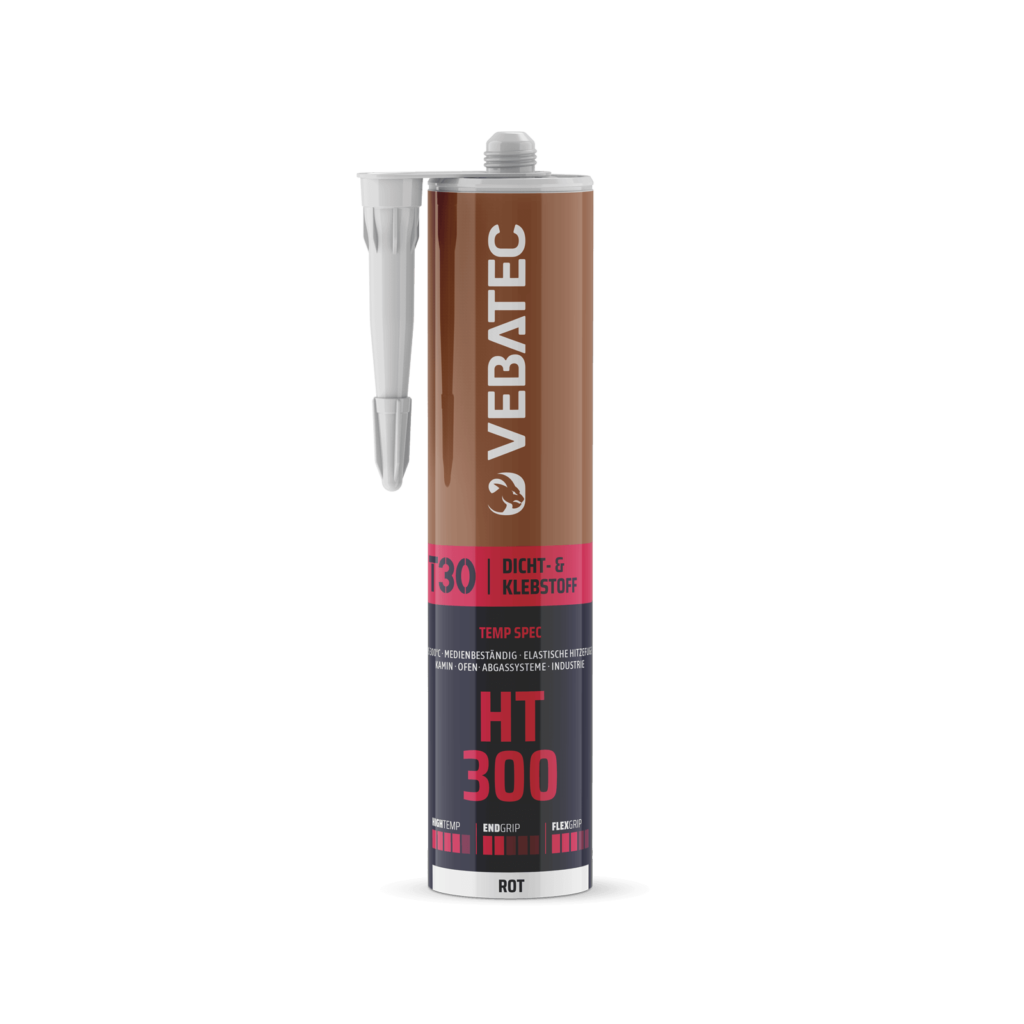
High-temperature sealants are useful where heat resistance is required. Flexible sealants are better for joints that expand, contract, or move. Chemical-resistant systems are better for industrial and laboratory environments.
How Important Is Curing Time?
Curing time affects workflow speed and final performance. Some adhesives bond quickly, while others need hours or longer to reach full strength.
Before selecting a product, review:
- Working time
- Handling time
- Full cure time
- Temperature requirement
- Moisture requirement
- Mixing requirement
- Application thickness
Fast curing is useful for quick repairs and production work. Slower curing may provide better positioning time, deeper cure, or stronger final performance depending on the chemistry.
How Does Application Method Affect the Choice?
Adhesives and sealants may be applied using tubes, cartridges, syringes, brushes, dispensers, or automated systems. The application method should match the joint size, surface shape, and required accuracy.
The Liquid Handling category supports accurate measuring, dispensing, dosing, sampling, and controlled transfer workflows where consistent application is important.
Precise application helps reduce waste, avoid excess material, and improve bond consistency.
What Equipment Supports Better Bonding?
Some adhesive and sealant workflows require controlled mixing, heating, drying, stirring, curing, or sample preparation.
The Laboratory Appliances category supports workflows involving temperature control, mixing, heating, storage, sample preparation, and experimental setup.
Good equipment control helps improve repeatability, especially when adhesives or sealants depend on exact curing conditions.
How Can Bonding Quality Be Checked?
Testing is useful before using adhesives or sealants in important applications. It helps confirm whether the selected product is suitable for the material and environment.
The Measuring Instruments category supports quality control, monitoring, testing, process checking, and material evaluation.
Useful checks may include:
- Bond strength
- Peel resistance
- Cure time
- Temperature resistance
- Thickness
- Viscosity
- pH
- Surface condition
- Environmental durability
Testing helps reduce failure risk before full production or final use.
When Is Analytical Testing Useful?
Some applications need deeper quality checks, especially where chemical compatibility, residue, purity, or contamination may affect performance.
The Chromatography category supports separation, identification, purification, and analytical workflows used in quality control and research environments.
Analytical testing may be useful when evaluating raw materials, solvents, additives, residues, or performance-related chemical changes.
Why Is Safety Important?
Adhesives and sealants may contain reactive chemicals, vapours, solvents, curing agents, or substances that require controlled handling.
The Occupational Safety and Personal Protection category supports safer work with gloves, protective clothing, eye protection, disposal products, and workplace safety supplies.
Safe use includes ventilation, skin protection, correct storage, proper disposal, and following product instructions.
Common Mistakes to Avoid
Many bonding problems come from poor preparation or incorrect product selection.
Avoid these mistakes:
- Choosing by price only
- Ignoring surface compatibility
- Applying to dirty or wet surfaces
- Using adhesive where flexible sealant is needed
- Using sealant where structural bonding is required
- Ignoring cure time
- Applying too much or too little material
- Skipping safety requirements
- Not testing before critical use
A small trial can prevent expensive failure later.
Conclusion
Choosing the right adhesives and sealants depends on the surface material, bonding purpose, strength requirement, flexibility, curing method, application process, exposure environment, and safety needs. The best option is the product that matches the real working condition, not simply the strongest or fastest-curing material.
Adhesives are ideal for joining surfaces, while sealants are better for filling gaps and protecting joints. Some products can do both when selected correctly.
By checking surface preparation, compatibility, cure time, equipment needs, testing requirements, and safe handling before application, users can achieve stronger bonds, cleaner seals, and more reliable long-term performance.