


A Heating Element for Heat Sealer is one of the most important parts in any sealing machine because it produces the controlled heat needed to close packaging materials securely. It supports clean seals, steady performance, and reliable packaging results across industrial, commercial, and workshop environments. When the element performs well, sealing becomes faster, more precise, and more dependable.
In modern packaging operations, consistency matters just as much as speed. A weak or damaged heating element can lead to poor seal strength, wasted materials, and unplanned interruptions. On the other hand, the right component helps maintain thermal stability, improve machine efficiency, and protect products during storage and transport. For that reason, understanding this part is essential for anyone who uses or maintains heat sealing equipment.
What does a Heating Element for Heat Sealer do?
The main job of a heating element is to generate heat that softens packaging material so it can be sealed with pressure. This process creates a firm bond that keeps products enclosed and protected. The element must heat up quickly, maintain a suitable temperature, and perform repeatedly without losing effectiveness.
In many machines, the heating element works together with several supporting parts, including:
- sensors that monitor temperature
- controllers that regulate heat levels
- switches that manage operation
- contactors that handle electrical flow
- fuses that protect the circuit
- connectors and cables that deliver power safely
Because of this system, the heating element is not working alone. It is part of a complete sealing setup designed to improve performance, safety, and output quality.
Why is this component essential in packaging?
Packaging quality often depends on the accuracy of the sealing process. If the heat level is too low, the material may not bond properly. If the heat is too high, the packaging may burn, shrink, or weaken. Therefore, a dependable heating element is necessary for proper thermal control.
Its importance can be seen in several ways:
- it helps produce neat and uniform seals
- it reduces material waste
- it supports faster sealing cycles
- it improves machine reliability
- it helps maintain product safety
- it lowers the chance of packaging failure
These benefits are especially valuable in industries where sealed products must remain protected from dust, moisture, or handling damage.
How does the heating process work?
A Heating Element for Heat Sealer converts electrical energy into heat through resistance. Once power reaches the element, it begins to warm the sealing surface. That heat is then applied to the packaging material for a controlled amount of time. Pressure completes the process by bonding the material layers together.
This operation may sound simple, yet it depends on careful coordination. In many machines, sensors send feedback to controllers so the correct temperature is maintained. If the machine includes LEDs, they may show the current operating status. Some advanced systems also use electronics, microcontrollers, and capacitor based circuits to support timing and stability.
As a result, the heating element becomes a critical part of a wider sealing system that must stay balanced and accurate throughout repeated use.

Common types of Heating Element for Heat Sealer
Heat sealers use different element styles depending on the machine design and the material being sealed. Each type supports a different method of heat delivery.
Impulse heating elements
Impulse elements heat only during the sealing cycle. This design improves energy efficiency and helps reduce unnecessary heat exposure. It is often used in smaller or medium duty applications.
Main advantages include:
- fast heating during operation
- lower standby energy use
- reduced wear on surrounding parts
- better control for light packaging tasks
Constant heat elements
Constant heat elements remain hot while the machine is running. They are often chosen for continuous production environments where higher output is required.
They are useful for:
- continuous packaging lines
- thicker sealing materials
- high speed operations
- heavy duty industrial sealing
Wire and ribbon elements
Wire elements are often used in narrow sealing or cut and seal functions, while ribbon elements provide wider heat contact. Both are common in various machine formats.
The selection depends on factors such as:
- material thickness
- required seal width
- machine capacity
- expected sealing frequency
What should you consider when choosing one?
Selecting the right Heating Element for Heat Sealer is important for long term performance. A poor match can affect seal quality, machine efficiency, and component lifespan.
Before choosing an element, check the following:
- machine model and sealing method
- voltage and wattage requirements
- element shape and dimensions
- expected operating temperature
- type of packaging material
- frequency of daily use
- compatibility with connectors and cables
- overall safety requirements
It is also important to consider the environment where the machine operates. For example, production areas exposed to dust, oils, or continuous use may require more durable components and regular inspection.
What materials support better heat sealing?
Heating elements are usually made from resistant alloys that can tolerate repeated heating and cooling cycles. These materials are selected for stable electrical resistance and dependable thermal performance.
However, the element itself is only part of the equation. Supporting materials also affect performance, including:
- thermal pads that improve heat transfer
- insulation that reduces unwanted heat loss
- ceramic supports that handle high temperature exposure
- protective covers that improve safety
- grips and tools used during maintenance and replacement
In some specialised sealing systems, related components may sit near electronics, microprocessors, laptops used for system monitoring, or industrial controllers that manage automated packaging operations.
Signs that the heating element may be failing
A worn or damaged element often shows clear warning signs before it stops working completely. Identifying those signs early can help reduce downtime and prevent waste.
Watch for issues such as:
- weak or incomplete seals
- delayed heat up time
- uneven sealing lines
- overheating marks on packaging
- visible breaks or damage in the element
- unexpected machine shutdowns
It is also wise to inspect nearby parts at the same time. Problems with switches, sensors, fuses, or contactors can affect the sealing cycle and create symptoms similar to element failure.
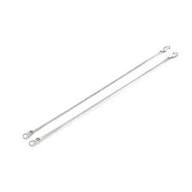
How can regular maintenance improve performance?
Routine maintenance keeps a Heating Element for Heat Sealer working more efficiently and helps preserve sealing quality over time. It also reduces the chance of sudden machine faults.
Good maintenance practices include:
- cleaning the sealing area regularly
- removing residue from contact surfaces
- checking cables and connectors for damage
- inspecting fuses and switches
- testing sensors for accurate readings
- replacing worn thermal pads
- avoiding contamination from dust or oils
- using proper tools during service work
A clean and stable machine performs better because heat transfer remains more consistent. This is especially important in environments where precision packaging is a daily requirement.
Where are these elements commonly used?
Heating elements for heat sealers are used in many sectors because secure packaging is essential across industries. They help protect products, improve presentation, and support efficient handling.
Common uses include:
- food and beverage packaging
- pharmaceutical and medical products
- industrial components
- consumer goods
- warehouse packing operations
- electronics packaging involving connectors, switches, and delicate parts
In these settings, a dependable seal is often necessary for product integrity, transport safety, and storage efficiency.
Conclusion
A Heating Element for Heat Sealer is a practical and essential part of effective packaging equipment. It provides the heat needed for strong, clean, and reliable seals while supporting efficiency, safety, and product protection. Whether the machine is used for occasional packing or continuous production, the quality of the heating element directly affects overall results.
By choosing the correct element, monitoring its condition, and maintaining the machine properly, users can improve performance and reduce unnecessary interruptions. In the end, this small but critical component plays a major role in keeping sealing operations accurate, dependable, and productive.