


Introduction
A Fluke Power Quality Analyser Case is not just packaging, it is part of how you protect accuracy, speed up setup, and avoid costly downtime. When you carry a power quality analyser between panels, plant rooms, and customer sites, the risks add up quickly. Drops, dust, moisture, and tangled test leads can ruin productivity. That is why the right case matters, especially for busy engineers who need reliable protection and organised access every time.
What does a power quality analyser case need to protect?
Power quality work often happens in tough environments. You may work near vibrating machinery, cramped switchboards, and high traffic maintenance areas. As a result, a good case must protect both the instrument and the accessories that make the job possible.
Key protection needs include:
- Impact resistance to reduce shock damage during transport
- Internal structure to stop the analyser moving around
- Space for current clamps, voltage leads, and spare cables
- Barriers that prevent sharp items from scratching the screen
- Clean storage to keep connectors and terminals from contamination
Just as importantly, a case supports safety. When you can store and deploy leads quickly, you reduce rushed handling and improve consistency at the point of test.
Key features to look for in a Fluke Power Quality Analyser Case
Not all cases deliver the same real world performance. Focus on practical features that match how you work, not just how the case looks in a catalogue.
Rugged exterior that handles site conditions
A durable outer shell helps the case survive vehicle travel and site handling. Look for a strong body, reinforced corners, and quality zips or latches. If you often work around industrial equipment, you will appreciate materials that resist scuffs and grime from oils and general workshop dirt.
Protective interior that prevents movement
Inside the case, you want snug support and separation. Foam blocks or shaped compartments can reduce impact forces and stop accessories from knocking into the analyser. This is especially useful when you carry multiple items such as test leads, clamps, and adapters.
A well designed interior also helps protect sensitive electronics and the small components that matter, including spare fuses and test tips.
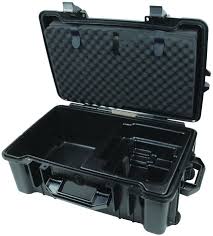
Organised storage for faster workflows
Organisation is the difference between a smooth job and a frustrating one. The best layouts provide clear sections for your daily kit, so you can reach what you need without unpacking everything.
Common storage zones include:
- Main instrument compartment
- Sections for voltage leads and current probe cables
- Pouches for clips, spare connectors, and adaptors
- Space for manuals, labels, or job notes
If you use a laptop for reporting, choose a case that leaves room for laptops or at least provides a document pocket to keep reports flat and protected.
Comfort grips and carry options
A case should feel secure in your hand while you move between locations. Strong handles with comfortable grips reduce fatigue. Shoulder straps also help when you carry additional tools on site. If you travel frequently, consider a case style that fits neatly into standard tool bags or vehicle storage.
Space for sensors and specialist accessories
Power quality testing may involve more than just voltage leads. You might use temperature probes, thermal measurement accessories, or environmental sensors depending on the site. A flexible case layout helps you store these extras without forcing you to improvise with loose pouches.
How the right case helps you troubleshoot faster
A case is a productivity tool when it supports a repeatable setup. When everything has a place, you spend less time searching and more time measuring.
Here is how a strong case design supports speed:
- You deploy leads and clamps in a consistent order
- You reduce the risk of forgetting accessories at the last job
- You protect the instrument from small impacts that cause drift
- You keep accessories clean, so connections stay reliable
In busy electrical environments, you may work near control gear where switches, contactors, and distribution panels sit close together. When you can set up quickly and pack down cleanly, you reduce exposure time and make the job safer.
A practical packing routine that works on site
Use a simple, repeatable approach so the case always stays ready:
- Place the analyser in the main compartment first
- Coil leads neatly to protect cables and reduce strain on connectors
- Store clamps and probe heads in separate sections
- Keep spare parts like fuses and tips in a sealed pocket
- Add paperwork or a checklist in the document sleeve
This routine also protects delicate accessories, including any small modules used with modern instrumentation. Many tools contain advanced internal components such as microcontrollers, controllers, and microprocessors. While you do not handle these parts directly, stable transport reduces the chance of internal connection issues caused by repeated knocks.
Choosing the best case for your exact setup
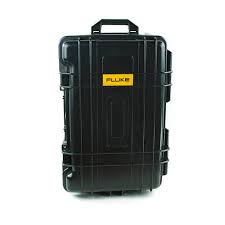
The best Fluke Power Quality Analyser Case is the one that matches your kit and your daily routine. Start by listing what you carry every time, then make sure the case supports that list without overstuffing.
Fit and layout checklist
Use this checklist before deciding:
- Enough space for the analyser and all standard leads
- Dedicated sections for clamps, test tips, and spare connectors
- A pocket for spare fuses and small parts
- Room for optional probes and sensors
- Strong handle with reliable grips
- A structure that keeps items from pressing into the screen
If you carry extra electronic accessories, you may also store items like indicator leads or adapters used around panels with status lights. In those settings you may work near LEDs and devices containing a capacitor bank, so you want a case that protects your leads from kinks and keeps metal parts separated.
Care tips to keep your case and accessories reliable
Even a rugged case performs better with basic maintenance. A few simple habits keep your gear ready and extend service life.
Good practices include:
- Wipe the exterior regularly to remove dust and residue from oils
- Dry the case fully if it gets exposed to moisture
- Inspect zips or latches so they do not fail mid job
- Check lead insulation and replace worn cables
- Keep sensitive accessories away from sharp edges and loose metal parts
If you use thermal accessories, store them carefully so the tips stay clean. Some engineers also carry small packs of thermal pads for related electronics work. If you do, keep them sealed and separate to avoid mess inside the case.
Bottom line
A Fluke Power Quality Analyser Case protects more than the instrument. It protects your time, your testing consistency, and your ability to work confidently in demanding electrical environments. When you choose a case with rugged protection, smart organisation, and room for your real accessories, you arrive on site ready to measure, diagnose, and report without delays. That is the difference between simply carrying equipment and running a professional, efficient workflow.