

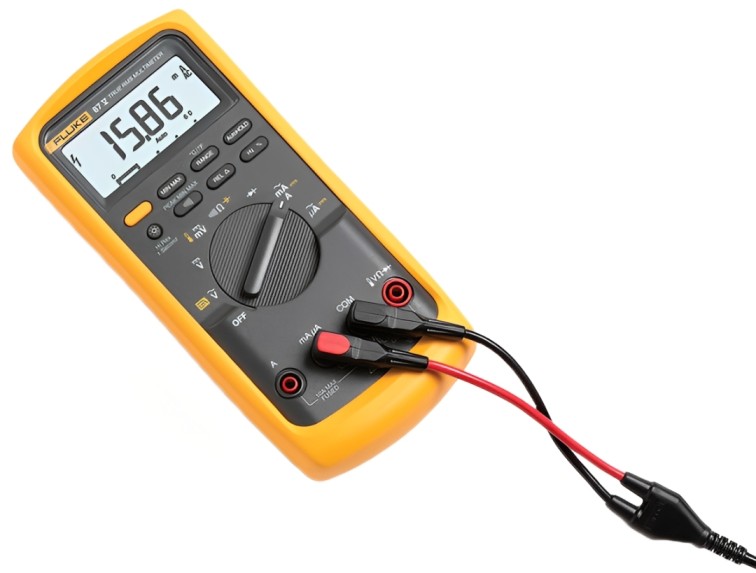
Fluke Industrial Multimeter Kit for Industrial Testing
A Fluke Industrial Multimeter Kit is built for technicians who need reliable measurements in real industrial environments. Whether you are checking panels, verifying circuits, or troubleshooting electronics on the plant floor, this kit helps you work faster while keeping safety and accuracy at the center.
What makes an industrial multimeter kit different?
Industrial work is not only about measuring voltage. It is about handling noisy signals, tight cabinets, and demanding loads. Therefore, a complete kit matters because it combines the meter with practical accessories that support real jobs.
Key differences you typically get with an industrial focused kit include:
- Durable meter protection for rough handling
- High quality test leads and cables for stable contact
- Safer probing options for crowded terminals
- Accessories that speed up fault finding across multiple systems
What is usually included in a Fluke Industrial Multimeter Kit?
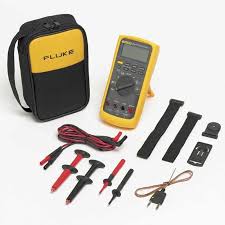
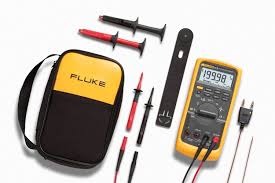
While the exact contents vary by model, most kits are designed to cover day to day electrical and maintenance tasks. Because accessories drive usability, a kit format can be more practical than buying a meter alone.
Common kit items include:
- Digital multimeter with industrial grade protection
- Test leads, probes, and insulated tips
- Alligator style grips or clip accessories for hands free checks
- Additional cables for specialized connections
- Carry case to keep tools organized on site
In many setups, technicians also pair the kit with sensors for temperature or current measurements, depending on the work area.
Where a Fluke Industrial Multimeter Kit fits in your workflow
Industrial environments combine power distribution, automation, and control wiring. As a result, a multimeter kit often becomes the primary troubleshooting tool across multiple teams.
Electrical maintenance and fault diagnosis
A kit helps confirm issues quickly, especially when downtime is expensive. You can verify supply levels, trace open circuits, and confirm continuity without switching tools repeatedly.
Typical checks include:
- Verifying fuses and breaker outputs
- Testing switches and control contacts
- Checking contactors for coil supply and contact continuity
- Confirming grounding integrity and voltage presence
Controls and automation support
Industrial sites rely on controllers and signal wiring. A Fluke Industrial Multimeter Kit supports the electrical checks around PLC panels, I O wiring, and control circuits, especially when you need dependable readings in tight spaces.
It can help when working around:
- Controllers and relay logic
- Wiring tied to microcontrollers in embedded modules
- Systems connected to microprocessors inside industrial devices
How the kit supports safer work practices
Safety is not optional in industrial testing. A quality kit supports safer habits through better insulation, stronger accessories, and more controlled probing. Additionally, proper lead quality reduces accidental slips that can cause faults or injury.
Practical safety advantages include:
- Insulated probe designs that reduce exposed metal contact
- More secure grips for steady measurements
- Organized storage so damaged leads are spotted sooner
- The ability to clip and test hands free in safer positions
Even with a strong kit, always follow site procedures, wear PPE, and confirm ratings match the environment.
Measuring more than voltage: why versatility matters
A multimeter kit becomes valuable when it supports different measurement needs in one place. Therefore, it is useful not only for electricians, but also for maintenance teams supporting electronics and industrial machines.
Measurements that commonly matter include:
- AC and DC voltage checks on power circuits
- Resistance testing on coils and wiring
- Continuity tests to find broken conductors
- Current related checks when paired with compatible accessories
Because industrial devices often include LEDs, capacitors, and complex electronics, quick validation of components can save time during diagnosis.
Supporting temperature and thermal troubleshooting
Electrical faults often show up as heat. While a multimeter measures electrical values, many technicians also use thermal awareness to guide troubleshooting. This is where thermal checks and sensors become relevant, especially in preventive maintenance.
Examples where thermal thinking helps:
- Hot spots on contactors that indicate wear
- Overheated connectors caused by loose torque
- Rising temperatures near fuses or terminals under load
- Equipment that needs thermal pads for better heat transfer in assemblies
If your work involves temperature validation, using proper sensors alongside the kit can improve diagnosis speed and confidence.
Industrial connectivity: connectors, cables, and clean contact
Many measurement errors come from poor contact, not from the meter. Therefore, the quality of cables, connectors, and probe tips matters as much as the multimeter itself.
To improve measurement consistency:
- Keep probe tips clean and replace worn ends
- Use the correct connector type for the terminal style
- Avoid stretching cables near strain points
- Store leads properly so internal breaks are reduced
In industrial settings, contamination can also be an issue. Oils, dust, and residue can interfere with contact. So, cleaning and inspecting leads regularly is a simple habit that prevents unreliable readings.
Tips for choosing the right Fluke Industrial Multimeter Kit for your job
The best kit is the one that matches your daily tasks. Instead of focusing only on a long feature list, align the kit with the systems you service.
Consider these factors:
- Measurement needs: voltage, resistance, continuity, and additional functions
- Work environment: panel density, vibration, and exposure to contaminants
- Accessory needs: grips, clips, probe tips, and cable types
- Safety requirements: correct category ratings for your site standards
- Storage: case design that keeps tools protected and organized
If you support modern equipment such as industrial laptops used for diagnostics, or test benches with electronics and microcontroller based devices, a versatile kit can reduce tool switching and improve workflow.
Practical use cases that keep the product relevant
A Fluke Industrial Multimeter Kit is especially relevant for technicians working in:
- Manufacturing plants maintaining contactors, switches, and motor controls
- Facilities teams verifying fuses, wiring integrity, and panel health
- Automation environments validating controllers and signal wiring
- Electronics maintenance where LEDs, capacitors, and connectors are common
- Preventive maintenance routines that benefit from thermal awareness and clean connections
Final thoughts
A Fluke Industrial Multimeter Kit is designed to support real industrial troubleshooting with dependable measurements, practical accessories, and safer testing habits. When you choose a kit that matches your environment and the electronics you work around, you improve speed, confidence, and consistency across every job, from basic fuse checks to advanced control diagnostics.