

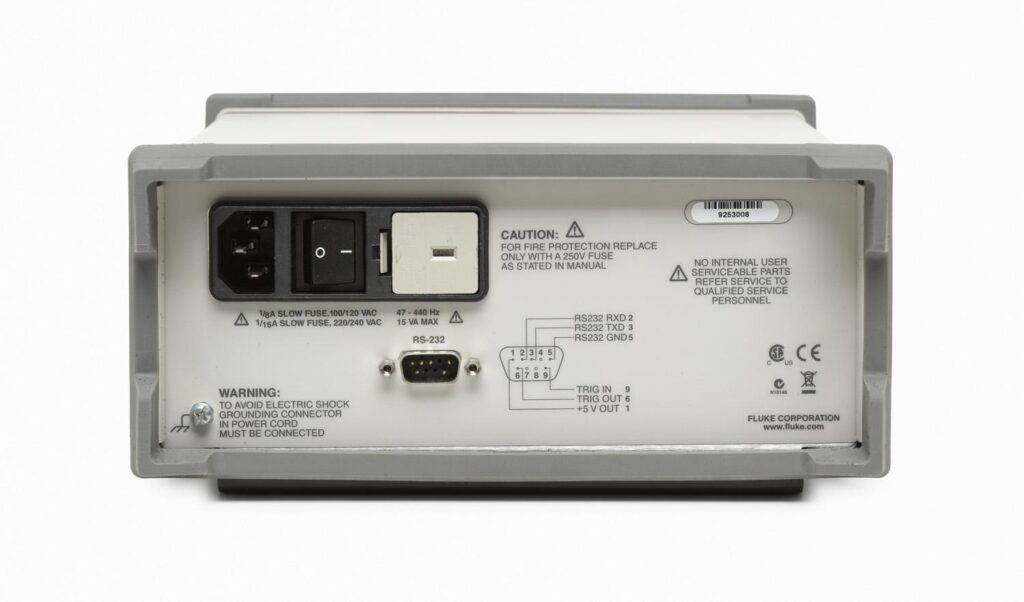
What Makes a Fluke Bench Digital Multimeter Essential?
A Fluke bench digital multimeter is more than a basic test tool. It becomes the fixed reference point on your workbench for accurate voltage, current and resistance measurements on demanding electronics. When you repair laptops, test microcontrollers or validate controllers on a production line, a stable bench meter helps you work faster while maintaining confidence in every reading.
How Does A Bench Digital Multimeter Support Electronics Work?
In modern electronics, circuits often combine low level signals with power devices on the same board. A bench meter from Fluke gives you the resolution to trace tiny voltage drops across sensors and a capacitor, while also handling higher ranges around contactors, fuses and switches without sacrificing safety.
Clear numeric and bar graph displays make it easy to watch dynamic behaviour while you adjust connectors, tools or grips on the circuit under test. This is especially useful when you troubleshoot intermittent faults caused by loose cables, oxidised contacts or worn components, where a steady reference meter reveals changes that a handheld model might miss.
Precision For Sensors, Controllers And Microcontrollers
Many designs rely on accurate feedback from sensors connected to microcontrollers and industrial controllers. A bench digital multimeter lets you compare expected values with actual readings on input and output points. Small differences in reference voltages, current loops or feedback lines appear clearly, so you can correct calibration issues before they grow into failures.
Development teams also benefit from stable measurements when they test thermal behaviour around sensitive parts. By monitoring voltage changes across thermal pads or measuring current into cooling fans and LEDs, engineers can tune power settings so components run within safe limits during long thermal cycles.
Key Features To Look For In A Fluke Bench Digital Multimeter
Selecting the right bench meter starts with understanding which features support your daily tasks. Entry level instruments cover basic voltage, current and resistance, while advanced models add more ranges, interfaces and automation friendly functions.
Important capabilities to consider include:
- High resolution counts that reveal subtle changes on low level signals
- Wide measurement ranges for AC and DC voltage, current and resistance
- Dedicated modes for continuity, diode test and basic capacitor checks
- Low burden current that improves accuracy in sensitive electronics
- Bright, easy to read displays that remain clear across the bench
Safety, Protection And Robust Construction
Bench multimeters are often connected directly to live circuits, so safety is critical. Fluke designs its bench instruments with input protection that can handle misuse within specified limits, along with clear markings for measurement categories, fuses and terminals.
Key safety related elements include:
- Properly rated input fuses that protect both the user and the meter
- Clear terminal labels that reduce the risk of wiring mistakes
- Robust insulation and internal spacing to resist high voltage transients
- Secure grips and stable feet that prevent movement on crowded benches
Because bench meters stay in one place most of the time, they can use more robust internal components and heavier shielding. This helps reduce noise pickup from nearby power supplies, contactors or switching electronics, which results in clean and repeatable readings on delicate electronics assemblies.
How To Use A Fluke Bench Digital Multimeter Effectively
Good technique is just as important as good equipment. Even the best meter can produce misleading results if you use poor cables, loose connectors or worn test leads, so simple preparation makes a big difference to accuracy and safety.
Before each session you should:
- Inspect test leads, probes and clamps for damaged insulation or exposed conductors
- Check that plugs fit firmly into the meter and that grips on probes feel secure
- Confirm that the correct input terminals are used for the measurement type
- Verify that fuses inside the meter match the specified ratings
During measurements, route cables away from high current conductors and transformer cores. This reduces stray magnetic coupling and noise pickup, especially around contactors, motors and switched mode power supplies. In higher power circuits, select ranges that give you headroom in case voltage or current spikes above normal values, and always follow the recommended safety clearances.
After each task, store the meter in a clean, dry area away from oils, metal swarf and excessive dust. Wiping test leads occasionally helps remove contamination that might otherwise affect contact resistance at probe tips or connectors. Regular care keeps the meter at the centre of a reliable and safe test setup.
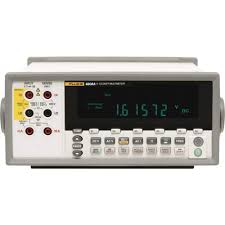
Buying Considerations For Your Next Bench Digital Multimeter
Choosing the right model means balancing performance, connectivity and budget while keeping future needs in mind.
Key points to review include:
- Measurement accuracy and resolution at the ranges you use most often
- Input protection ratings that match the environments where you work
- Connectivity options such as USB, LAN or GPIB for data logging
- Support for remote control so laptops and automation software can capture readings
- Availability of accessories including rack kits, cables and dedicated tools
It is also useful to consider how the meter fits into your overall workflow. A well chosen Fluke bench digital multimeter can sit at the centre of a test bench, feeding results into laptops for analysis, logging long term trends or verifying production test sequences driven by microprocessors and controllers.
Conclusion: Turning Your Bench Into A Reliable Test Hub
A Fluke bench digital multimeter gives you the confidence to trust every reading, whether you are repairing delicate electronics or validating complex control systems. By combining accurate measurements, strong safety design and practical features for daily use, it helps you work more efficiently and make better decisions across development, maintenance and production tasks.
When you match the right meter to your applications and follow good measurement practice, your bench becomes a reliable hub for testing, learning and problem solving across a wide range of electrical and electronic projects.