

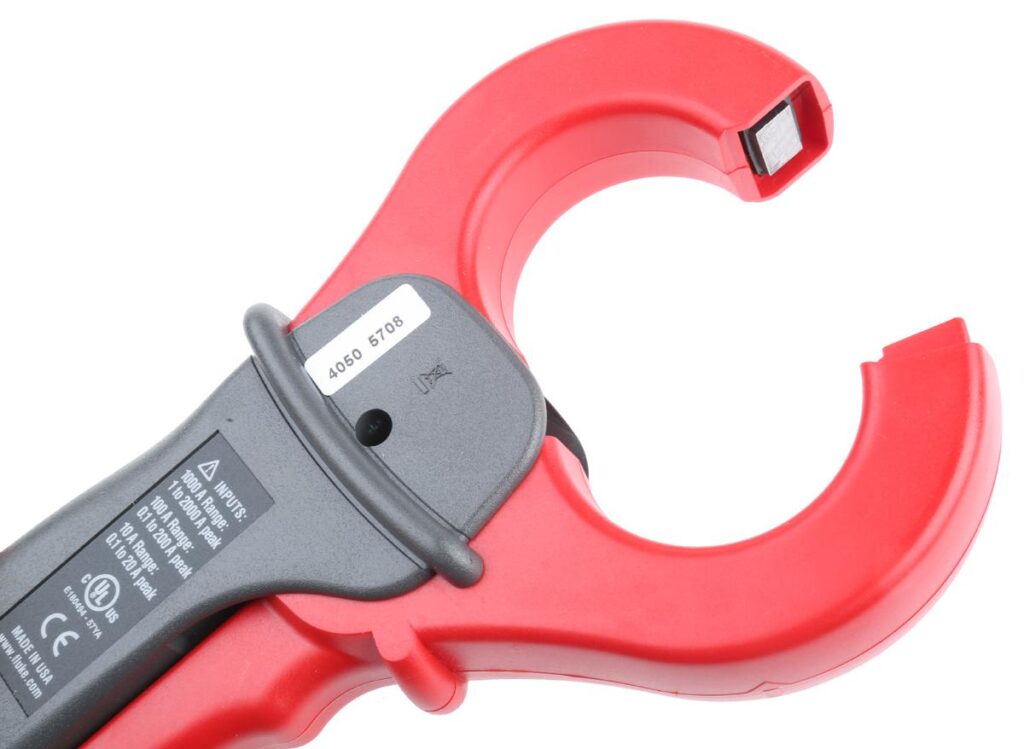
What Is a Fluke Probe Accessory and Why It Matters
A Fluke Probe Accessory is a purpose built set of probes, leads, grips and connectors that extends the capability of your test meter. It replaces basic test leads with a dedicated accessory designed for safer and more repeatable measurements.
When you work around live circuits, motors, laptops, controllers or microcontrollers, the probe is the first point of contact with the circuit. A high quality Fluke Probe Accessory improves contact pressure, insulation and stability so the meter can capture accurate readings without disturbing the circuit under test.
Understanding Fluke Probe Accessory Performance in Electronics
Modern electronics mix tiny surface mount components with higher power stages on the same board. Generic probes can slip on small pads, disturb sensors or leave marks on component legs, especially on delicate parts such as a capacitor, LED or microprocessor.
A Fluke Probe Accessory is designed to match the input rating and safety category of your Fluke handheld or bench meter. The probe tips, cables and connectors act as one measurement system, so you do not introduce extra noise or unexpected loading into sensitive electronics circuits.
Key Design Features of a Fluke Probe Accessory
The design of a good probe accessory focuses on safety, comfort and electrical performance so technicians can work with confidence.
Insulation, grips and safety focused details
Layered insulation around metal tips and shrouded connectors helps prevent accidental contact with energised conductors. This is vital when you reach into crowded panels that contain fuses, switches, contactors and multiple cables running side by side.
Ergonomic grips keep your fingers behind protective guards. Textured surfaces and shaped bodies reduce slipping, even when you wear gloves or when your hands are affected by oils or dust in industrial environments.
Cables, connectors and thermal performance
Probe cables must stay flexible while resisting cuts and abrasion. High quality insulation and fine stranded conductors keep the cables supple so they drape neatly around tools and test equipment instead of getting in the way.
Secure connectors latch into the meter and provide solid electrical contact. Many Fluke accessories use right angle connectors that reduce strain on the meter body and make it easier to work in tight cabinets near hot resistors, thermal pads or heat sinks.
Applications for Fluke Probe Accessories
A well chosen Fluke Probe Accessory supports everything from small control boards to large power panels.
Electronics repair, prototyping and development
In electronics repair you move between tiny sensor pins, controller legs and larger connector blocks. Fine tips and firm grips help you contact a single pad without shorting adjacent tracks, which is essential when working around high density microcontrollers and microprocessors.
During prototyping you often measure low level signals from sensors and LEDs, or check timing on controllers that drive capacitors, switches and other peripherals. Probes with shielded cables and sharp tips reduce noise pickup on these low level and fast moving signals.
Industrial maintenance and field testing
In industrial maintenance you frequently connect to long cables, motors, contactors and junction boxes. Long reach probes and insulated clips let you stay clear of live parts while attaching securely to terminals, bus bars and power connectors.
Technicians also troubleshoot sensors for temperature, flow and pressure that feed signals back to controllers or PLCs. With the right Fluke Probe Accessory you can quickly verify sensor outputs and trace faults through junction boxes into the control electronics or logging laptops.
How to Select the Right Fluke Probe Accessory
Selecting the most suitable accessory for your meter is simple when you follow a short checklist.
- Confirm compatibility with your meter model and input jack style.
- Check the measurement category and voltage rating printed on the probe body.
- Decide whether you need sharp tips, sprung hooks, clips or alligator style grips.
- Choose cable length to reach panels and equipment without tension or clutter.
- Review temperature and environmental ratings for hot, dusty or outdoor work.
By working through these points you can match a Fluke Probe Accessory to your typical measurement tasks and avoid under rated or awkward leads.
Best Practices for Safe Use and Care
Good technique and basic care help your Fluke Probe Accessory deliver reliable performance over a long service life.
Before and during measurements
Always inspect the probe tips, insulation and connectors before you start. Replace any accessory that shows cracks, exposed metal or loose grips rather than accepting the risk of a fault while the circuit is energised.
Set the meter to the correct function and range before you touch a live test point. Keep your fingers behind the guards on the probe body when you contact bus bars, power rails, fuses or switches, and use clips where possible to avoid holding bare tips in place.
When you measure current on low current ranges, respect the specified limits and internal fuses. For larger currents, pair the meter with a compatible clamp accessory instead of pushing fine probes beyond their rating.
Cleaning, storage and long term reliability
After a job, wipe the probes and cables with a mild cleaner to remove dust, oils and residue. Avoid wrapping cables too tightly around tools, since tight loops strain the insulation and conductors over time.
Store your Fluke Probe Accessory in a dedicated pouch or case so the tips, connectors and insulation are protected from sharp edges and heavy tools. Replace worn tips when they no longer bite cleanly into terminals, and retire accessories that no longer meet their original safety ratings.
Why Investing in a Fluke Probe Accessory Pays Off
A high quality Fluke Probe Accessory directly affects safety, accuracy and productivity at the test bench and in the field. Better contact, stronger insulation and stable grips mean fewer slipped probes, fewer repeated measurements and less risk when you work close to live electronics.
By pairing your meter with the right accessory set you create a measurement system that can handle everything from small sensor circuits to complex industrial controllers. The result is more confidence in every reading and smoother progress across your daily troubleshooting, commissioning and maintenance tasks.