

Introduction
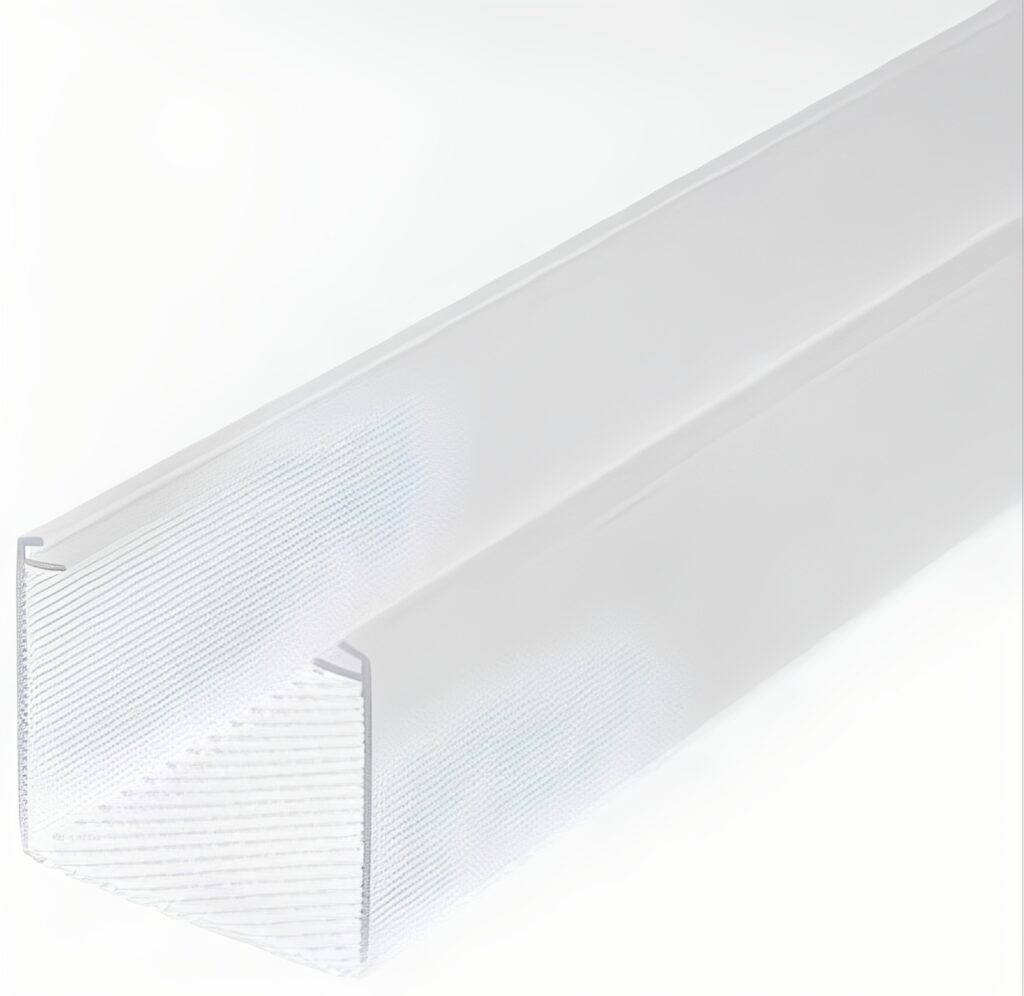
A Crompton Lighting Diffuser is a practical upgrade when you want softer illumination, reduced glare, and a cleaner finish for modern luminaires. Whether you are refreshing a workspace, improving a retail display, or upgrading home lighting, the right diffuser helps light feel more comfortable while keeping output consistent. Because today’s LED fixtures are efficient but can look harsh, a well matched diffuser often delivers the best balance of brightness and visual comfort.
Why a lighting diffuser matters for LEDs and comfort
Diffusers are not just cosmetic covers. They influence how light leaves the fitting, how evenly it spreads, and how comfortable it is to look at.
Key benefits you can expect include:
- Smoother light distribution with fewer bright spots
- Lower glare, especially in offices and task areas
- Better visual comfort around screens and laptops
- Reduced “dotting” effect from visible LED points
- Added protection from dust and accidental contact for safety
In many installations, a diffuser also supports a more professional appearance, which matters in commercial interiors and customer facing spaces.
How a Crompton Lighting Diffuser works
A diffuser sits between the light source and the room. It uses optical diffusion to scatter light rays so they spread more evenly. This improves uniformity on surfaces and reduces harsh reflections.
Several factors affect performance:
- Material choice and finish
- Thickness and optical clarity
- Surface texture, such as frosted or micro prismatic patterns
- Distance between LEDs and the diffuser
- Fixture design and internal reflectors
When diffusion is well designed, you get a smoother beam without sacrificing too much brightness.
Common diffuser materials and what they are best for
Choosing the right material helps you balance durability, output, and appearance.
Polycarbonate diffusers
Polycarbonate is tough and impact resistant, which supports safety in busy environments. It is often used where durability matters.
Typical strengths:
- High impact resistance for tools, storage areas, and public spaces
- Good heat tolerance, useful near LED drivers and electronics
- Suitable for commercial and industrial settings
Acrylic diffusers
Acrylic can offer excellent light clarity and a premium finish, though it may be less impact resistant than polycarbonate.
Typical strengths:
- Clean appearance for offices, retail, and interiors
- Good optical performance for uniform light
- Stable look over time in many indoor spaces
Micro prismatic and opal finishes
These are surface treatments or diffuser styles rather than a material alone.
- Micro prismatic helps control glare while directing light more efficiently
- Opal provides strong diffusion for a soft, even glow
Where diffusers add the most value
A diffuser upgrade is especially useful when glare or uneven light is causing discomfort.
Common applications include:
- Offices and meeting rooms with laptops and screens
- Warehouses and workshops where safety and visibility matter
- Retail aisles where consistent lighting improves product presentation
- Corridors and entrances where uniform illumination looks cleaner
- Schools and healthcare spaces where comfort matters throughout the day
If your current fixture shows visible LED points or causes harsh reflections, a diffuser can be one of the most noticeable improvements.
Selection checklist for the right fit and performance
Before you buy, check practical compatibility first, then focus on optics.
Fit and compatibility
Look for:
- Correct length, width, and mounting method for your luminaire
- Matching profile type, such as flat, curved, or wraparound
- Secure fixings that stay stable over time
Optical performance goals
Decide what you want most:
- Maximum softness and comfort with an opal style
- Better glare control with micro prismatic design
- A balance of brightness and diffusion for general lighting
Environment and durability
Consider where the diffuser will be used:
- Impact risk in workshops with tools and moving equipment
- Temperature build up in enclosed fittings
- Exposure to oils or airborne residue in industrial areas
- Cleaning routines, especially in public spaces
In environments with residue from oils or frequent handling, durability and ease of cleaning often matter as much as appearance.
Installation tips to protect performance
A diffuser is simple to fit, but careful handling prevents scratches and uneven seating.
Best practice steps:
- Switch off power and allow the fixture to cool
- Clean the fixture interior to avoid trapping dust
- Avoid touching the diffuser surface with greasy grips
- Ensure clips or fasteners sit evenly to prevent rattling
- Confirm the diffuser does not press directly against LEDs or wiring
If you are working near drivers, sensors, or controllers inside the luminaire, keep components secure and avoid pinching cables.
Maintenance and cleaning without damaging the diffuser
Even the best diffuser can look dull if it collects dust or develops fine scratches.
For routine cleaning:
- Use a soft cloth and mild cleaner
- Avoid abrasive pads that can haze the surface
- Dry gently to prevent streaks, especially on frosted finishes
- Clean regularly in dusty areas to maintain output
In spaces with airborne residue, such as workshops or near machinery, a consistent cleaning schedule helps keep light levels stable. If the lighting supports electronics benches with connectors, fuses, switches, and thermal pads nearby, clearer illumination can improve visibility and reduce mistakes.
How diffusers support better lighting design outcomes
A diffuser influences more than glare. It can support colour consistency, reduce harsh contrasts, and improve how surfaces appear.
In practical terms, it helps:
- Create smoother ambient light for comfortable work
- Reduce reflections on glossy displays and screens
- Improve visibility for detailed tasks with microprocessors and small parts
- Support better perception of safety zones and walkways
For technical environments, consistent illumination can make it easier to identify labels, read measurements, and spot wiring issues around contactors, sensors, and control panels.
Making your product choice more relevant for buyers
If you are choosing a Crompton Lighting Diffuser for a specific product listing, highlight the real world outcomes buyers care about:
Product focused points to communicate:
- Glare reduction for offices and screen heavy spaces
- Uniform spread for clean looking ceilings and corridors
- Material durability for high traffic areas
- Easy cleaning for long term brightness
- Compatibility guidance so buyers get the right fit first time
When your product page explains these benefits clearly, it helps customers choose confidently and reduces returns caused by sizing or fit misunderstandings.
Key takeaways for choosing the right diffuser
A Crompton Lighting Diffuser can be a smart, visible upgrade when you want better comfort and more even illumination from LED fixtures. Focus on fit, optical style, and durability for the installation environment. When those match well, you get smoother light, less glare, and a more professional finish that works across homes, offices, and industrial settings.