

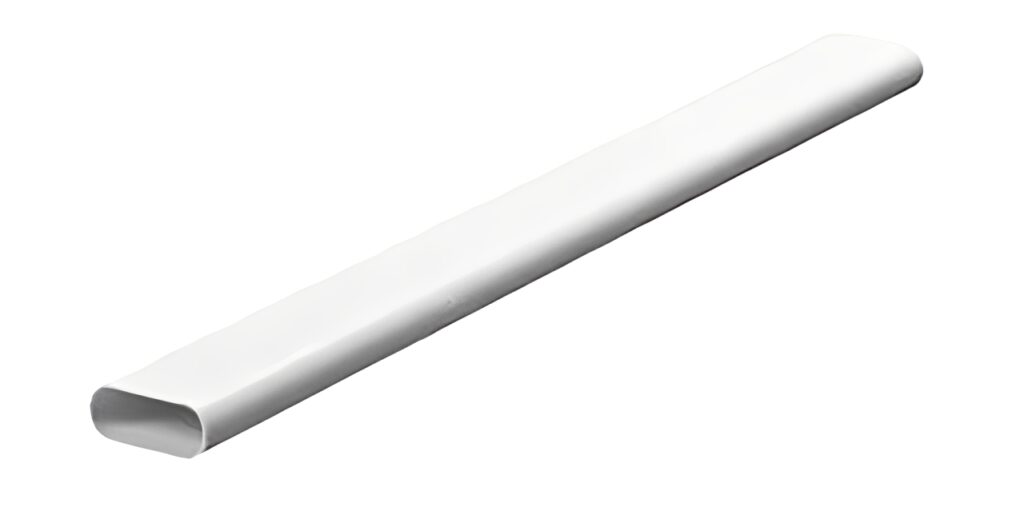
Schneider Oval UPVC Conduit
When you want neat cable routing, stronger protection, and reliable containment in compact wiring paths, Schneider Oval UPVC Conduit is a practical choice. Because its oval profile sits closer to surfaces, it helps you manage cables cleanly behind walls, above ceilings, and inside trunking routes where round conduit can feel bulky.
In addition, it supports safer installations by reducing exposure to abrasion, dust, and incidental contact. Whether you are organising electronics in a workshop, running connectors to equipment, or protecting control wiring around contactors, the right conduit choice improves both performance and long term maintenance.
Why Schneider Oval UPVC Conduit matters in modern wiring
Today’s installs often combine power and low voltage lines in the same building zones. So, good containment is not only about tidiness, it is also about safety and predictable maintenance.
Schneider Oval UPVC Conduit helps because it:
- Creates a defined pathway for cables, which reduces tangles and stress
- Protects insulation from scrapes when cables pass near tools and sharp edges
- Improves consistency in routing for sensors, switches, LEDs, and controllers
- Supports cleaner separation planning when you run mixed electronics nearby
As a result, technicians can trace circuits faster and reduce downtime during changes.
Where an oval conduit profile gives you an advantage
An oval profile is especially useful when space is limited and you still want a protected path.
Common places where it fits well include:
- Behind plasterboard and surface mounted panels
- Under window sills and along skirting routes
- Above suspended ceilings and along cable drops
- Inside small plant rooms with dense electronics and connectors
- Around distribution points where contactors and controllers are grouped
Also, the flatter profile can look cleaner in visible areas, which supports professional finishing.
Key benefits for protection, routing, and maintenance
Better cable protection in busy environments
Install areas often face vibration, incidental knocks, and regular access. Therefore, mechanical protection becomes important, especially when cables feed sensors, microcontrollers, and control circuits.
Schneider Oval UPVC Conduit can help reduce:
- Abrasion from rough surfaces
- Pinching in tight corners
- Wear caused by repeated cable movement
- Damage during maintenance work with hand tools
Cleaner routing for signals and power runs
If you are running mixed systems, clear routing helps reduce confusion. For example, keeping connectors and signal wiring organised makes troubleshooting easier when working with controllers and microprocessors.
It also supports consistent bends and transitions, which can reduce stress on cables at entry points.
Improved safety and compliance habits
Safety improves when containment is planned, labelled, and accessible. Even if your site requirements differ, strong habits usually include:
- Clear pathways for cables to reduce trip and snag risks
- Protected runs where fuses, switches, and isolators connect
- Reduced exposure to oils, dust, and incidental contact
So, conduit selection becomes part of a safer working method, not just a material choice.
Choosing the right Schneider Oval UPVC Conduit size
Correct sizing is essential. If the conduit is too small, pulling becomes difficult and cable insulation can be stressed. If it is too large, the installation can look untidy and waste space.
Consider these factors:
- Total cable count and cable outer diameter
- Future expansion, especially for added sensors or LEDs
- Bend complexity and the number of direction changes
- Entry points into boxes, panels, and trunking
Also, think about heat. While conduit is not a heatsink, crowded cables can trap warmth. If your circuits carry sustained load or you use thermal pads or thermal management parts nearby, allow extra space for easier pulls and better service access.
Installation best practices for a reliable finish
Plan the route before you fix anything
A clean route reduces rework. First, map your path from source to destination, including junction points.
Good planning steps include:
- Identify where connectors, glands, or boxes will sit
- Keep routes away from high heat zones when possible
- Maintain access points for later cable additions
- Avoid sharp transitions that make pulling difficult
Use the right fittings and mounting methods
Secure mounting prevents vibration wear and keeps runs straight. Therefore, use appropriate clips, saddles, or fixings matched to the surface type.
For a professional outcome:
- Keep spacing consistent so the conduit does not sag
- Align vertical and horizontal runs neatly
- Use smooth bend methods to reduce cable stress
- Deburr entry points so cable jackets are protected
Pulling cables without damage
Cable pulling is where many issues start. So, pull steadily and avoid jerks. If your environment includes oils or dusty residue, keep cables clean during installation.
Practical tips:
- Pull in stages for longer runs
- Keep bend count low where possible
- Leave service loops near terminations for controllers or contactors
- Label cable groups early to speed up commissioning
Compatibility considerations with materials and environments
UPVC is widely used because it is durable and easy to work with. Still, you should consider environmental exposure.
Think about:
- Areas with oils or chemical vapours that could affect plastics over time
- Outdoor exposure where UV resistance may matter
- Zones near heat sources where thermal build up is possible
- Places with frequent movement or impact risk
If you work around laptops, test benches, or portable electronics stations, conduit helps protect cables from being snagged during frequent reconfiguration. Similarly, in panels containing capacitor banks, fuses, switches, and LEDs, structured routing reduces the chance of accidental contact during service.
Using Schneider Oval UPVC Conduit in control panels and automation
Modern installations often include automation and monitoring. That means more sensors, more controllers, and more signal wiring that needs to stay organised.
Schneider Oval UPVC Conduit supports tidy wiring approaches such as:
- Dedicated runs for sensor cables to reduce clutter
- Separate paths for control wiring feeding contactors and relays
- Cleaner entry into enclosures where microcontrollers and microprocessors sit
- Easier maintenance when adding new electronics modules later
Because these systems evolve, a well planned conduit route makes upgrades faster and more consistent.
Common mistakes to avoid
Small choices can create long term problems. However, they are easy to prevent with a simple checklist.
Avoid these issues:
- Overfilling conduit, which makes pulls tight and risky
- Too many sharp bends, which increases friction and stress
- Poor fixing spacing, which causes sagging and misalignment
- Unprotected entry edges, which can damage cable jackets
- Mixing cable types without planning, which can complicate troubleshooting
Instead, aim for neat routes, sensible space allowance, and clear access points.
Final thoughts
Schneider Oval UPVC Conduit is a strong fit when you want protected, low profile cable routing that looks professional and stays maintainable. With correct sizing, careful routing, and good fixing practice, it can support clean installations for cables feeding sensors, controllers, switches, LEDs, and wider electronics systems. As a result, your wiring stays safer, easier to service, and ready for future expansion.