

Introduction
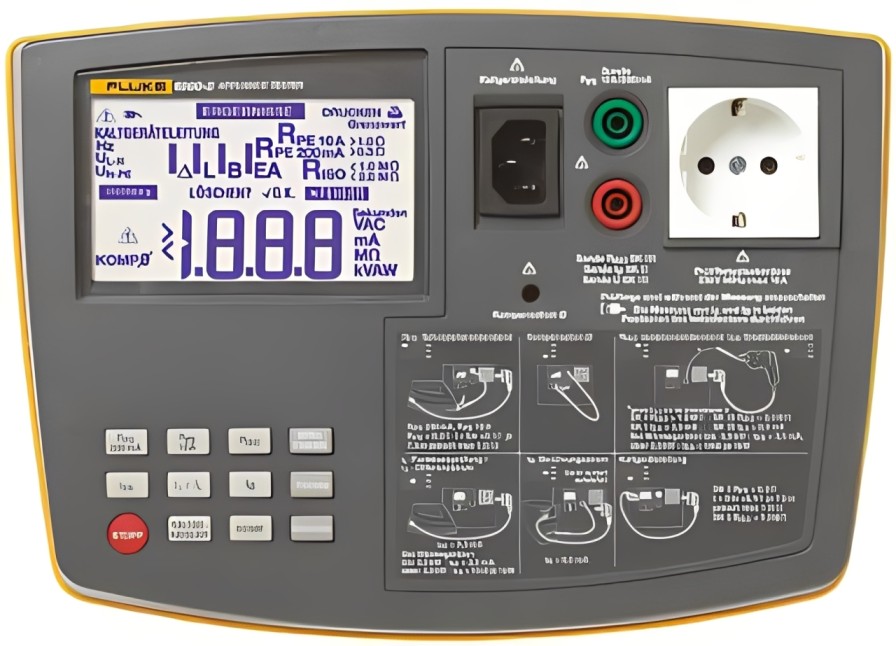
A Fluke PAT Tester is a specialised portable appliance testing instrument used to verify that electrical equipment stays safe to use throughout its life. By combining insulation resistance, earth continuity, and leakage measurements, it helps technicians find faults in appliances before they turn into hazards.
Because workplaces rely heavily on laptops, tools, and sensitive electronics, a structured PAT testing routine is essential. Using a Fluke PAT Tester supports compliance with safety regulations, protects staff, and reduces the risk of unplanned downtime caused by hidden faults in cables or connectors.
What Is a Fluke PAT Tester?
A Fluke PAT Tester performs electrical safety checks on portable appliances such as power tools, laptops, kettles, extension leads, and industrial equipment. It verifies that insulation, earthing, and wiring are in acceptable condition and that no dangerous leakage currents are present.
Modern instruments combine several measurements in one compact unit. This allows technicians to check cables, connectors, and fuses quickly without needing separate tools. The result is a faster, more consistent testing process that suits routine inspections and detailed maintenance work.
Core purpose in modern electronics maintenance
Electrical systems now include sensitive microcontrollers, microprocessors, and complex controllers that interact with traditional equipment. A Fluke PAT Tester helps maintain a safe environment for these electronics by ensuring that connected appliances do not introduce faults or excessive leakage.
It supports safe operation around thermal equipment, sensors, and industrial contactors. When appliances are tested regularly, switches, grips, and LEDs are less likely to fail unexpectedly under load or in harsh conditions.
Why portable appliance testing matters for safety
In busy workplaces, equipment is often moved, dropped, or reconfigured. Power tools, extension cables, and thermal devices can suffer from damaged insulation or loose conductors that are not visible during a quick visual check.
Regular use of a Fluke PAT Tester helps to identify issues early, such as:
- Cracked or overheated cables that expose conductors
- Loose connectors and plugs that create arcing and heat
- Worn grips that hide damage to internal wiring
- Incorrect fuses that fail to protect sensitive electronics
- Contaminated surfaces where oils or dust reduce insulation
By catching these problems before they cause shock, burns, or fires, PAT testing becomes a key contributor to long term workplace safety and reliable operation.
Key features of a Fluke PAT Tester
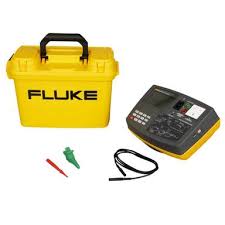
A modern Fluke PAT Tester combines several functions to support safe and efficient inspections. Typical features include:
- Test modes for class I and class II appliances
- Insulation resistance testing with adjustable voltage ranges
- Earth continuity checks with clear pass or fail indications
- Leakage current measurements for sensitive electronics
- Simple interfaces with clear displays and function keys
- Memory to store test results for each asset
- Rugged housings suitable for industrial and on site use
These features help technicians work confidently around cable looms, thermal pads, industrial tools, and mixed equipment that may include both legacy appliances and modern digital devices.
How to use a Fluke PAT Tester effectively
To get reliable results from a Fluke PAT Tester, technicians should follow a consistent workflow and combine visual inspection with electrical testing. A typical process includes:
- Confirm the appliance type and select the matching test mode
- Inspect cables, connectors, and grips for visible damage
- Check switches, LEDs, and housings for cracks or overheating
- Verify the rating of fuses and confirm correct values for the load
- Connect the appliance and earth terminals as shown in the guide
- Run the test sequence and review pass or fail messages
- Record results in a log or digital system for future reference
This structured approach improves test repeatability and supports safety audits, especially where large numbers of tools and appliances are in daily use.
Applications of Fluke PAT Testers across industries
Fluke PAT Testers are used in a wide range of environments where electrical safety is critical. Typical applications include:
- Facilities maintenance teams responsible for office laptops and chargers
- Workshops managing power tools, soldering stations, and test equipment
- Manufacturing sites with sensors, contactors, and industrial controllers
- Education centres with mixed appliances and training rigs
In each case, PAT testing helps confirm that appliances connected to systems with capacitors, microcontrollers, microprocessors, and networking gear do not introduce unsafe conditions.
Choosing the right Fluke PAT Tester for your needs
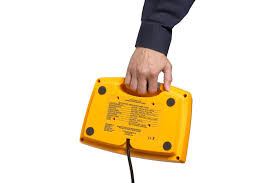
Selecting the most suitable Fluke PAT Tester depends on the type and volume of equipment you handle. Key points to consider include:
- How many appliances you need to test during each inspection cycle
- Whether you test office electronics, tools, or industrial machinery
- The need to store results internally or transfer them to a laptop
- Required test ranges for insulation, earth continuity, and leakage
- Environmental conditions, such as dust, thermal extremes, or oils
Matching these needs to the instrument features ensures that your chosen Fluke PAT Tester remains practical, reliable, and easy to integrate into existing maintenance routines.
Best practices for safe and compliant PAT testing
To keep safety performance high, technicians should treat PAT testing as part of a broader maintenance strategy rather than a one time activity. Effective practices include:
- Creating an asset register that tracks appliances, test dates, and locations
- Setting realistic test intervals based on usage and environmental risk
- Using clear labels to identify tested equipment and next due dates
- Reviewing patterns in failures to spot recurring cable or connector issues
By combining these practices with a dependable Fluke PAT Tester, organisations can build a proactive safety culture. Over time, this reduces unexpected outages, protects staff from electric shock, and supports compliance with local electrical safety standards.